Implant Dentistry for Beginners: Build Your Learning Path
Build an implant dentistry learning path with foundational reading, structured courses and supervised training. Plan what to study before advanced topics.
On this page (14)
Implant dentistry is one of the most requested skills among general dentists, and it rewards a structured learning path. This guide shows beginners which steps to follow and in which order.
Starting implant dentistry education can feel like choosing from a catalogue of procedures. A more useful approach is to organize your learning around the full patient pathway: assessment, planning, surgical concepts, restorative concepts and ongoing care. This helps you understand where a focused book or course belongs before moving into advanced material.
This guide is for dental professionals and students planning their education. It describes a study sequence, not instructions for performing implant treatment.
Start with what you need to understand
Create a baseline inventory. Can you explain the terminology used in an implant consultation? Can you identify the kinds of records discussed in a treatment-planning lesson? Can you describe how the surgical and restorative teams communicate? Which subjects require revision with an instructor?
Use three columns: “I can explain,” “I need to review,” and “I need supervised training.” Keeping those categories separate prevents confidence from being mistaken for competence. It also gives you a concrete agenda for a mentor conversation.
The ITI curriculum is one useful external reference for the breadth of implant education: it includes assessment and planning, surgical and prosthetic procedures, and aftercare. A personal study plan should acknowledge that breadth even when the first resource is introductory.
Pair a structured introduction with focused reading
A recorded introduction can give your learning an order. A book can provide explanations that you revisit at your own pace. In the Dentcademy catalogue, Implant Surgery 101 is positioned as an introductory video resource, while The Single-Tooth Implant offers a narrower reading topic.
Review their descriptions against your knowledge gaps. Do not assume that buying both is necessary. If your immediate goal is understanding single-tooth planning discussions, identify the relevant material first. If you lack the vocabulary used throughout a course, return to foundational reading before continuing.
Build a four-stage study sequence
Stage one: vocabulary and records. Make a glossary in your own words. For each new term, record where you found the explanation and a question that would test your understanding. Review how a teaching case presents its history and records without drawing treatment conclusions from an isolated image.
Stage two: planning discussions. Choose one educational case and identify the questions the presenter asks before discussing treatment. Record the information that is supplied, the information that is missing and the alternatives that are considered. Ask a qualified tutor to review your interpretation.
Stage three: connect surgery and restoration. Study how the presenter links the proposed restoration with earlier planning decisions. Keep a list of unfamiliar components and communication points. Our implant restoration learning guide can help organize the restorative side of your reading.
Stage four: maintenance and reflection. Look for what the resource says about follow-up, limitations and complications. Record questions you cannot answer. A learning pathway that ends at the procedure leaves important educational gaps.
Use a case-discussion worksheet
For each teaching case, complete five prompts:
- What learning question does this case illustrate?
- What records and assumptions are presented?
- Which decisions are explained, and which are simply shown?
- What alternatives or uncertainties are discussed?
- What should I ask an instructor before drawing a general conclusion?
Label the worksheet as an educational exercise. Do not reuse it as a patient-specific treatment plan. When using material from your workplace, follow its privacy and training rules rather than copying identifiable records into personal documents.
Decide when an advanced topic is relevant
Topics such as bone regeneration or full-arch treatment should enter your plan because they address a defined learning need. They should not replace the foundation simply because the demonstrations look more interesting.
Before adding a specialist course, write down its prerequisites, the reason you want to study it and the person who can help assess your understanding. Our GBR books and courses guide provides a way to evaluate one such topic without treating it as the automatic next clinical step.
Questions beginners often ask
Should I study surgery or restoration first? Understand how the two fit together, then prioritize the depth required by your role and formal training. A tutor can help identify the right sequence.
How do I know I am progressing? Look for improved explanations, more precise questions and constructive feedback. Course completion alone is a limited measure.
Browse Implantology resources with your baseline inventory in hand. Use the online course checklist to confirm the scope, delivery and support of the resource you choose.
Implant Dentistry Learning Path in 6 Steps
A clear sequence keeps you from jumping to advanced techniques too early. Here is a practical path through implant dentistry for beginners.
1. Revise anatomy and biology
Bone quality, the inferior alveolar nerve, the maxillary sinus and soft tissue biology are the basis of safe implant dentistry.
2. Learn case selection and planning
Medical history, risk factors, restorative space and imaging. Planning decides most outcomes in implant dentistry, long before the first incision.
3. Study the single-tooth implant
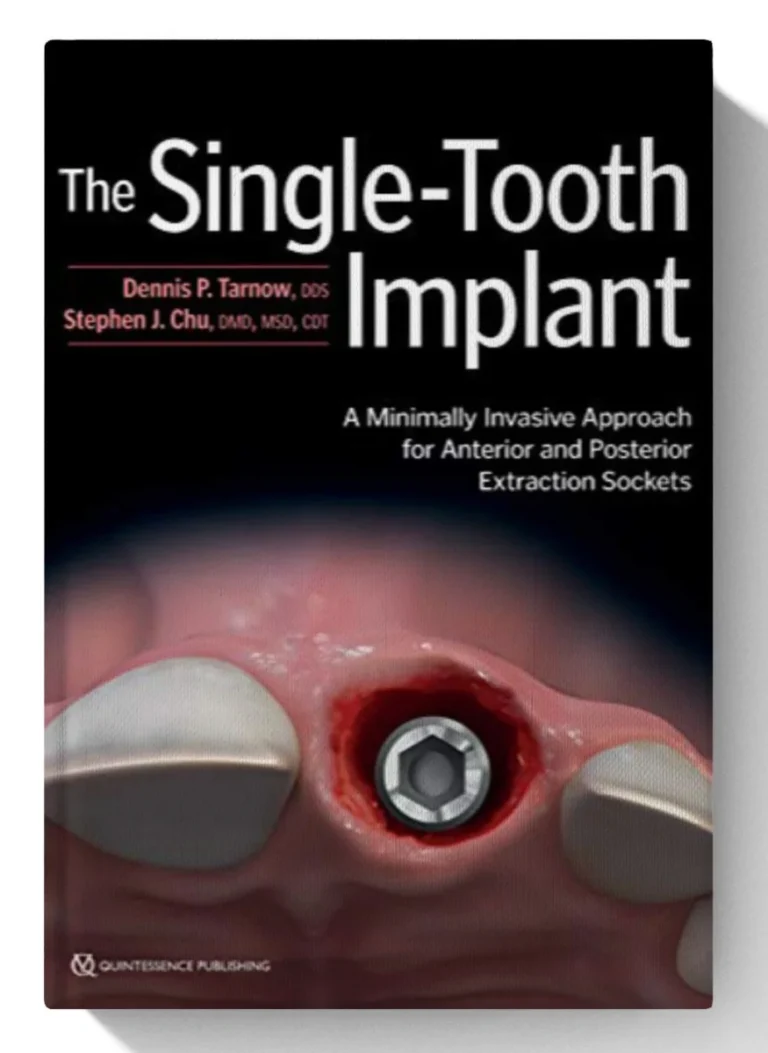
The single missing tooth in a favourable site is the classic starting case. The Single-Tooth Implant by Tarnow and Chu is a reference for this stage.
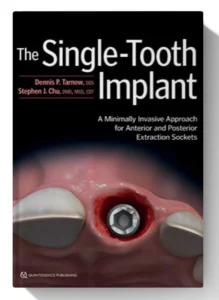
The Single-Tooth Implant, 1st Ed.
$29.99 · Instant download
4. Watch the surgical sequence
A step-by-step video course lets you see flap design, drilling and placement many times. Implant Surgery 101 was designed for this purpose.
5. Learn the restorative phase
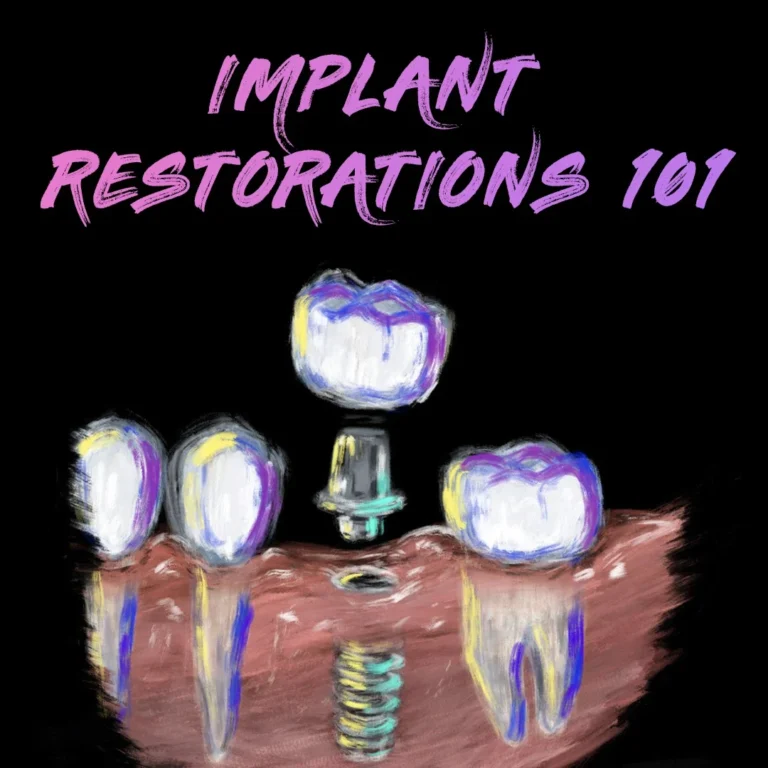
Implant dentistry does not end with surgery. Impressions, abutments and crowns are covered in Implant Restorations 101.
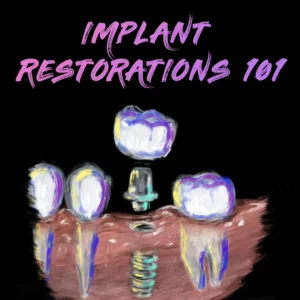
Implant Ninja — Implant Restorations 101
$199.00 · Instant download
6. Add bone management later
Guided bone regeneration, sinus lifts and full-arch cases come after you are comfortable with standard cases.
Implant Dentistry Skills to Practise Before Your First Case
- Reading CBCT scans and measuring available bone.
- Choosing implant length and diameter.
- Flap design and suturing.
- Communicating risks and alternatives to patients.
- Planning the restoration before the surgery.
Hands-on courses and supervised cases remain essential. Books and videos prepare you; supervised clinical practice validates your skills. Check the training requirements of your local regulator and of organisations such as the International Team for Implantology.
A 12-Week Study Plan
- Weeks 1–3: anatomy, biology and case selection.
- Weeks 4–6: planning, imaging and single-tooth cases.
- Weeks 7–9: surgical videos and protocols.
- Weeks 10–12: restorative phase and follow-up.
Two focused sessions per week are enough to progress steadily in implant dentistry.
Implant Ninja — Implant Surgery 101
$199.00 · Instant download
Building Your Implant Dentistry Library
A small, focused library is enough for the first year of implant dentistry. Aim for one reference on implant principles, one book on bone regeneration and one structured video course on surgery and restoration.
Read the principles first, then use the video course to see each step. Keep a notebook with your own protocols and update it after each case you observe or perform.
As your experience grows, add titles on soft tissue management and digital planning. Avoid buying advanced material before you have completed simple cases: implant dentistry rewards depth on the basics far more than early exposure to complex techniques.
Working With a Mentor
Most dentists who progress quickly in implant dentistry have a mentor. A mentor reviews your planning, helps you select suitable first cases and is available if something unexpected happens.
- Share your plan and imaging before each early case.
- Ask for feedback on your surgical notes and photographs.
- Review each case together after the restoration is delivered.
Combined with structured books and courses, mentoring is the safest way to grow in implant dentistry.
Common Beginner Mistakes
- Starting with complex cases such as immediate loading or grafting.
- Skipping the restorative planning.
- Learning from short clips without a structured course.
- Underestimating follow-up and maintenance.
Talking to Patients About Implants
Clear communication is part of good implant dentistry. Before treatment, explain the alternatives, the number of appointments, the healing time and the maintenance the implant will need. Written information and a signed consent form protect both the patient and you.
Show patients simple diagrams or photographs of similar cases from your own practice when you have them. Avoid promising perfect results: set realistic expectations about aesthetics, function and the small but real risk of complications.
After treatment, schedule regular maintenance visits. Long-term success in implant dentistry depends as much on follow-up and hygiene as on the surgery itself.
Frequently Asked Questions
How long does it take to learn implant dentistry?
Most dentists need several months of study plus supervised cases before placing implants independently. Simple cases come first.
Should I start with books or videos?
Both. Books give the principles of implant dentistry; videos show the technique. Use them together.
Which implant dentistry topics come next?
Guided bone regeneration, soft tissue management, sinus lifts and digital planning. Browse the implantology collection when you are ready.
Continue learning
All Implantology resources
$199.00 $2,000.00Original price: $2,000.00
$29.99 $285.99Original price: $285.99
$199.00 $2,000.00Original price: $2,000.00
$9.00 $168.00Original price: $168.00