How to Study Dental Materials: A Practical Comparison Framework
Study dental materials with a structured comparison framework. Organize terminology, properties, handling and evidence across your reference books.
On this page (10)
Dental materials are easier to learn when you link each property to a clinical decision. This guide gives you a practical method and the books to use.
Dental materials can be difficult to study when every chapter becomes a separate list of properties. A comparison framework gives those details a consistent place. Instead of memorizing isolated statements, you record what a term means, how a property is discussed and which context limits the comparison.
This guide is a study method for students and dental professionals. It is not a material-selection protocol or a substitute for current manufacturer instructions.
Choose a reference suited to your role
Dentcademy lists Dental Materials: Clinical Applications, 4th Edition and Clinical Aspects of Dental Materials, 5th International Edition. Compare the intended audience, chapter structure and edition with your syllabus.
The first listing positions the subject around clinical applications for dental assistants and hygienists. The second connects theory, practice and cases. Use those descriptions to form a shortlist, then inspect the contents to see which organization supports your learning needs.
You may not need both. One well-used anchor reference can be more useful than two similar books studied without a plan.
Build a comparison card
For every material category in your module, create a card with six headings:
- Identity: the category and terminology used in the reference.
- Purpose: the context in which the text discusses it.
- Properties: the relevant terms and their definitions.
- Handling: the principles discussed, with a source reference.
- Limitations: qualifications, uncertainties and questions.
- Evidence: where the explanation or claim comes from.
Keep specific product instructions separate from general material-science notes. A textbook explanation does not establish the current instructions for every commercial product in that category.
Learn the meaning before the ranking
When you encounter a property, explain what is being measured before deciding that a higher or lower value is “better.” Ask about the measurement conditions, units and context. If those details are missing, record the comparison as incomplete.
For example, two sources may report a property using different testing conditions. Your study task is to notice the difference and ask whether a direct comparison is justified. Do not combine numbers into a ranking simply because they share a familiar label.
This habit is particularly helpful when moving into advanced research topics. Our advanced dental materials reading guide develops that critical-reading approach further.
Connect theory with an educational case
Choose a case from your assigned material and identify which properties the explanation discusses. Write down why those properties appear relevant in the author’s reasoning. Then list the information needed before extending that reasoning to another context.
The aim is to understand the explanation, not to select a product for a patient. Bring uncertain interpretations to an instructor and check the source rather than treating a brief case as a universal rule.
The ADA’s evidence-based dentistry resources provide a useful broader framework: evidence is considered alongside professional expertise and patient circumstances. A single laboratory result does not answer every clinical question.
Use a three-session revision cycle
In session one, read the relevant section and complete the comparison card. In session two, cover the card and recreate its main ideas from memory. In session three, compare your explanation with a teaching case or discussion question.
Correct inaccurate wording immediately and preserve the source reference. Revisit confusing pairs of terms separately instead of repeatedly rereading the whole chapter. If a concept depends on tooth form or terminology, return to the dental anatomy study guide.
Keep a current-information list
Mark the parts of your notes that need current checking: product-specific instructions, regulatory information, newer evidence or references required by your programme. Record where you would verify each item.
A book can provide a durable conceptual framework without being the final source for every changing detail. That distinction makes your notes more reliable and easier to maintain.
Should I memorize every numerical property? Follow your programme’s requirements, but make sure you understand what each value means and under which conditions it was obtained.
Can a clinical applications book support dental hygiene study? Compare its audience and contents with your module. Our dental hygiene library guide helps place it alongside other references.
Explore Dental Materials eBooks and choose the reference whose structure helps you explain and compare the subject clearly.
6 Tips to Study Dental Materials
- Group dental materials by clinical use: restorative, impression, cements, prosthetic.
- For each material, note composition, key properties, handling and indications.
- Link every property to a clinical consequence.
- Compare dental materials in simple tables.
- Handle materials in the lab or clinic whenever possible.
- Review manufacturer instructions alongside your textbook.

$29.99 · Instant download
Books for Dental Materials
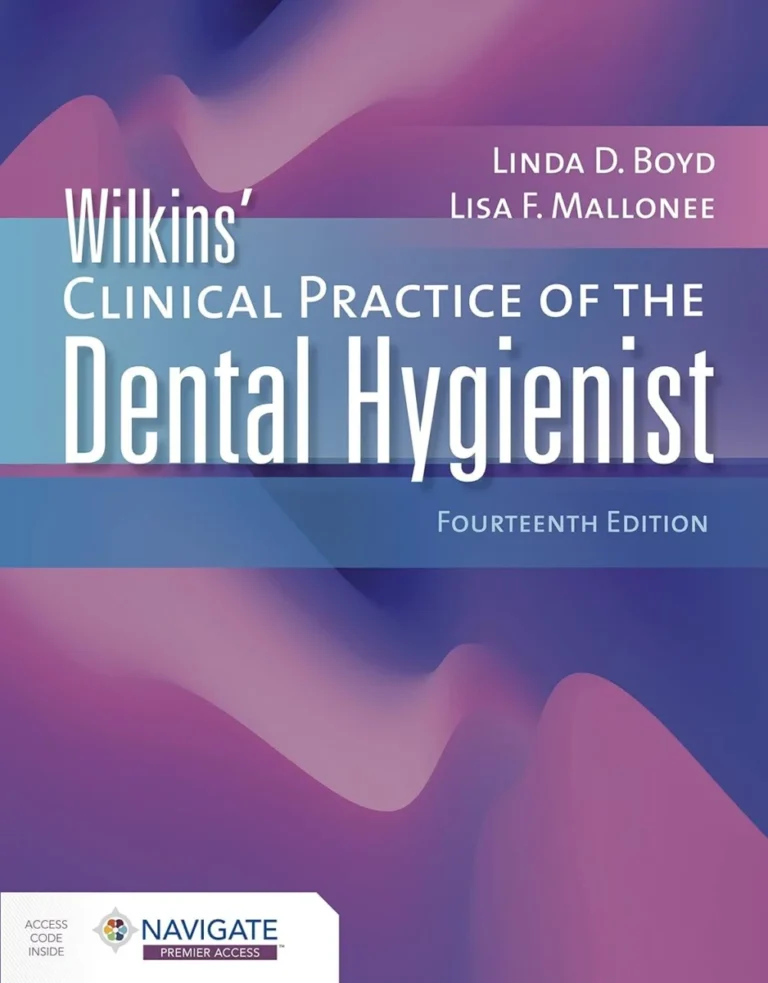
Dental Materials: Clinical Applications is practical and clinically oriented. Clinical Aspects of Dental Materials adds clear explanations of properties. For research topics, see Advanced Dental Metallic Materials.

Clinical Aspects of Dental Materials, 5th International Edition
$29.99 · Instant download
A Comparison Table Template
Create one table for each family of dental materials with columns for composition, strength, aesthetics, handling, indications and limitations. Update it as you read.

Advanced Dental Metallic Materials (Springer Series in Materials Science)
$29.99 · Instant download
Frequently Asked Questions
Why are dental materials hard to learn?
Because many properties are abstract. Linking them to clinical cases makes dental materials easier to remember.
Which book should students start with?
A clinically oriented text, then a more detailed reference.
Where can I find standards?
The ADA publishes information on dental materials standards. See our dental materials collection.
Continue learning
All Dental Materials resources$29.99 $94.99Original price: $94.99

$29.99 $99.99Original price: $99.99

$29.99 $159.99Original price: $159.99
$29.99 $141.00Original price: $141.00