Advanced Dental Materials: Reading Nanomaterials and Metals Critically
Read advanced dental materials books with a critical framework for nanomaterials and metals. Separate research findings from claims about clinical use.
On this page (12)
Nanomaterials in dentistry are a fast-growing research field, and the literature can feel dense. This guide shows how to read advanced materials books with a clear method.
Advanced dental materials books often introduce research that sits at different stages of development. Some passages explain established concepts; others discuss experimental findings or future possibilities. Reading them well means identifying which kind of statement you are looking at before deciding what it implies.
This guide offers a critical-reading method for postgraduate learners, researchers and dental professionals exploring the field. It does not recommend a material or product for clinical use.
Choose a defined research question
Start with a question narrow enough to guide your reading. You might want to understand how a property is measured, how a material is characterized, or what evidence supports a claimed application. “Learn about new materials” is too broad to help you evaluate a chapter.
If the basic terminology is unfamiliar, begin with our dental materials study framework. Advanced reading becomes more productive when terms such as strength, stiffness or surface properties have clear meanings in your notes.
Separate the two subject areas
Dentcademy lists Nanomaterials in Dental Medicine and Advanced Dental Metallic Materials. The first focuses on a nanoscale materials theme; the second focuses on metallic materials. Their subject areas may intersect, but the books should not be treated as interchangeable surveys.
Compare their contents, intended audience and references with your question. A materials-science book may require background that a clinical applications text explains more gradually. Check a sample where available before committing to a difficult reference.
Label the evidence before summarizing it
For each important claim, record the type of evidence discussed. Is it a laboratory experiment, an animal study, a clinical study, a review or a proposal for future investigation? Write down what was measured and under which conditions.
Then separate the finding from its interpretation. “The study reported a result under these conditions” is different from “the material will produce the same result in routine clinical use.” Your summary should preserve that gap rather than remove it.
The ADA’s evidence-based dentistry overview places research alongside clinical expertise and patient needs. That broader frame is useful when reading technical claims that may sound more clinically settled than the underlying evidence allows.
Use an evidence card
Create one card for a claim you want to understand:
- The exact question being investigated.
- The material or specimen studied.
- The study setting and measurement method.
- The comparison used, if any.
- The result as reported in the source.
- Limitations and what the study does not establish.
- The original publication and date.
This structure makes a journal-club discussion more precise. It also exposes missing information. If you cannot identify the study design or comparison, do not compensate with a confident summary.
Follow the references selectively
You do not need to read every citation in a chapter at once. Start with the references supporting the claim most relevant to your question. Check whether the original paper says what the chapter summary suggests and whether later evidence changes the context.
Record disagreements accurately. Two studies can differ because they examine different materials, conditions or outcomes. A difference in results is a question to investigate, not proof that one source is unreliable.
Connect research reading to your professional role
A postgraduate researcher may need methodological detail. A dental professional may need to understand what remains uncertain before discussing an emerging topic. A technician may be interested in how the research relates to a production process. Those are different reading goals.
If your interest is digital production or workflow, our digital dentistry learning guide can help you identify the operational questions that sit alongside materials research. Keep those questions separate from claims about clinical effectiveness.
Turn the chapter into a useful summary
Finish with three short statements: what the source supports, what it does not yet establish, and what you need to investigate next. Add the references that make each statement traceable.
Does “advanced” mean clinically superior? No. It describes the subject or level of the resource, not a guarantee about a material’s suitability.
Should I start with a research-focused book? Choose it when you have the background and a defined question. Otherwise, a foundational reference may be the better first step.
Browse Dental Materials resources and use our eBook selection guide to check scope, edition and format before building your specialist reading list.
Nanomaterials in Dentistry: 5 Reading Tips
- Revise basic materials science before reading about nanomaterials in dentistry.
- Start with review chapters, then move to specific applications.
- Separate laboratory findings from clinical evidence.
- Note the testing methods and their limits.
- Summarise each chapter in a table: material, application, evidence level.

Nanomaterials in Dental Medicine (Materials Horizons), 1st Ed.
$49.99 · Instant download
Recommended Books
Nanomaterials in Dental Medicine gives a structured overview of nanomaterials in dentistry, from restorative materials to implant surfaces. Advanced Dental Metallic Materials covers alloys and metallic biomaterials in depth.

Advanced Dental Metallic Materials (Springer Series in Materials Science)
$29.99 · Instant download
Who Should Read About Nanomaterials in Dentistry?
Postgraduate students, researchers and clinicians interested in new restorative and implant materials. Undergraduates should first master clinical dental materials.
$29.99 · Instant download
Reading Research on Nanomaterials in Dentistry
Research on nanomaterials in dentistry often reports laboratory results: strength, wear, antibacterial effects or surface properties. These results are important, but they do not always predict clinical performance. When you read about nanomaterials in dentistry, ask three questions: was the material tested in the laboratory, in animals or in patients; how long was the follow-up; and how does it compare with an established material?
Keeping these questions in mind helps you read nanomaterials in dentistry chapters critically and discuss them confidently in seminars, theses or with colleagues.
Frequently Asked Questions
Are nanomaterials in dentistry already used clinically?
Some materials are in clinical use; many applications remain in research. Books help you distinguish the two.
How do I keep up with research?
Follow review articles and the publications of organisations such as the International Association for Dental Research.
What should I read first?
A clinical materials text, then advanced titles on nanomaterials in dentistry. See our dental materials collection.
Continue learning
All Dental Materials resources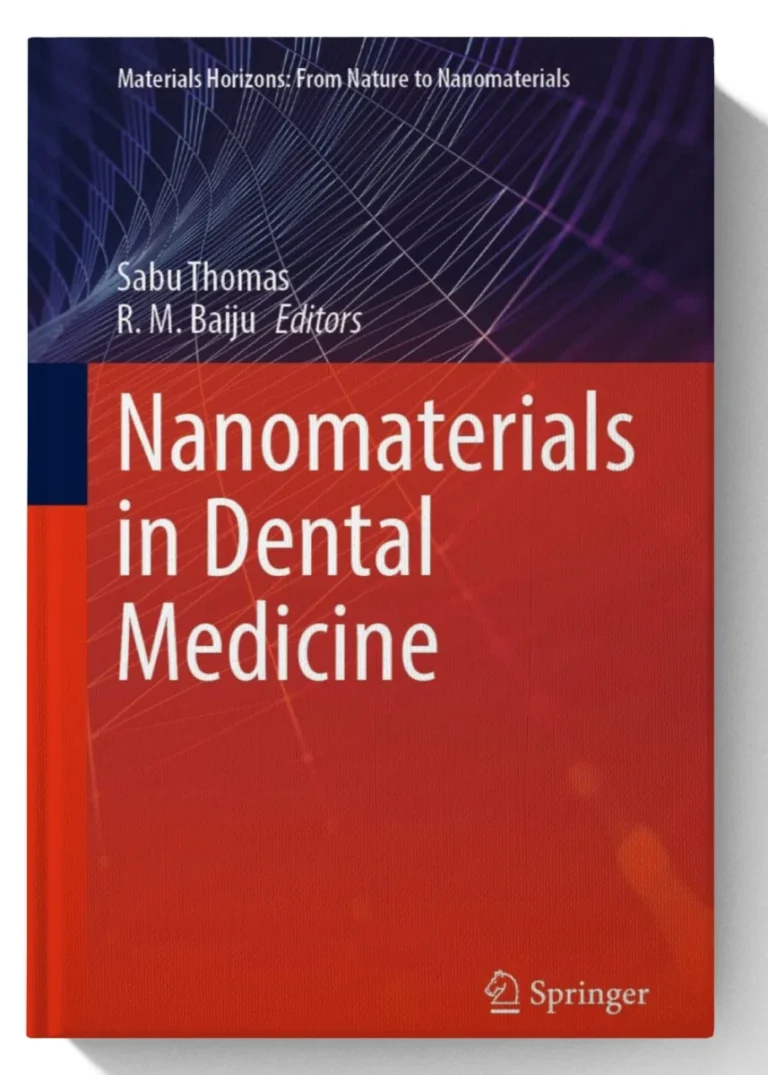
$49.99 $199.99Original price: $199.99

$29.99 $159.99Original price: $159.99
$29.99 $94.99Original price: $94.99
$29.99 $141.00Original price: $141.00