
Clear Aligner Books: Biomechanics or a System-Specific Guide?
Compare clear aligner biomechanics books with system-specific guides. Build a study sequence that connects principles, planning and critical review.
On this page (12)
Clear aligner books fall into two families: biomechanics references and system-specific guides. Knowing the difference helps you choose the right one for your practice.
When choosing clear aligner books, separate the principles you want to understand from the system you want to learn about. A biomechanics-focused text and a system-specific guide can complement each other, but they do not answer exactly the same questions.
The useful starting point is your learning gap. Are you trying to understand the reasoning behind a movement discussion, follow a planning presentation, or learn the vocabulary used in a particular system? Define that gap before comparing titles.
Give each type of book a clear role
A principles-focused book belongs in a study plan aimed at understanding concepts and reasoning. A system-specific guide belongs in a plan that examines the language, features and approach associated with that system. Neither should be treated as a substitute for appropriate orthodontic education and clinical supervision.
In the Dentcademy catalogue, Principles and Biomechanics of Aligner Treatment and Insider’s Guide to Invisalign Treatment, 2nd Edition illustrate these different scopes. Compare their contents against your objective rather than treating them as competing versions of the same book.
Check your foundation before narrowing the topic
If a chapter assumes knowledge you do not yet have, identify the prerequisite rather than skipping over it. Our orthodontics reading list guide can help organize a broader foundation. For terminology related to tooth form, use the dental anatomy study guide.
Create a “return to foundations” list as you read. A short revision session on a core concept may resolve confusion that would otherwise continue through several chapters.
Build a two-layer notebook
Separate your notes into two layers. The first contains the concept in your own words, the assumptions behind the explanation and the source reference. The second contains system-specific terminology or interface details encountered in the material.
This distinction makes updates easier. If a system changes, you can review the relevant operational notes without treating all your conceptual learning as obsolete. Conversely, a familiar interface should not make you assume that you understand the clinical reasoning behind a plan.
Do not create patient treatment plans from a reading exercise. Keep your notes tied to the educational examples and discuss clinical interpretation with a qualified instructor.
Use a question-led comparison exercise
Choose one topic appearing in both resources, if the contents confirm such overlap. Ask five questions:
- What question does each source attempt to answer?
- Which terms are shared, and which are used differently?
- What assumptions does the explanation depend on?
- What evidence or examples are provided?
- What remains unresolved after reading both?
Differences are useful prompts for discussion. They are not automatically contradictions. The sources may address different levels of detail, contexts or audiences.
Check edition and system relevance
Record the edition and publication details. If your goal involves a particular software version or product feature, verify that the resource addresses it. A book title mentioning a system does not guarantee that every current feature is covered.
Also confirm what digital supplements are included in the specific offer. A reference to videos or online material in a book’s title or original publication does not prove that access is supplied with every digital edition or reseller listing.
Connect aligner study with wider case discussion
Orthodontic learning may intersect with other dental disciplines. Our gingival recession learning guide provides a way to record multiple professional perspectives without reducing a case to a single explanation.
The AAO’s explanation of specialist training is a useful reminder that reading about orthodontics and holding a specialist qualification are different matters. Choose resources that support your actual role and training pathway.
Should I buy both books? Only if you need both conceptual and system-specific coverage and can identify how you will use each.
Can I rely on a system guide for all orthodontic learning? A system guide has a defined scope. Broader education, current references and appropriate supervision remain necessary.
Explore Orthodontics resources and choose the book that addresses the layer of understanding you need next.
Clear Aligner Books: Biomechanics or System Guide?
Biomechanics-focused clear aligner books explain how forces, attachments and staging move teeth. System-specific clear aligner books explain how to use one aligner brand and its software. You usually need both, in that order.

Principles and Biomechanics of Aligner Treatment, 1st Ed.
$79.99 · Instant download
5 Tips to Choose Clear Aligner Books
- Learn general orthodontic biomechanics first.
- Choose clear aligner books written by experienced clinicians.
- Look for documented cases with before-and-after records.
- Check that limitations and refinements are discussed.
- Prefer recent editions, because aligner systems evolve quickly.
Recommended Titles
Principles and Biomechanics of Aligner Treatment is a reference among clear aligner books for understanding how aligners work. The Insider’s Guide to Invisalign Treatment is a practical, system-specific companion.

Insider's Guide to Invisalign Treatment, 2nd Ed.
$29.99 · Instant download
Combine With Orthodontic Basics
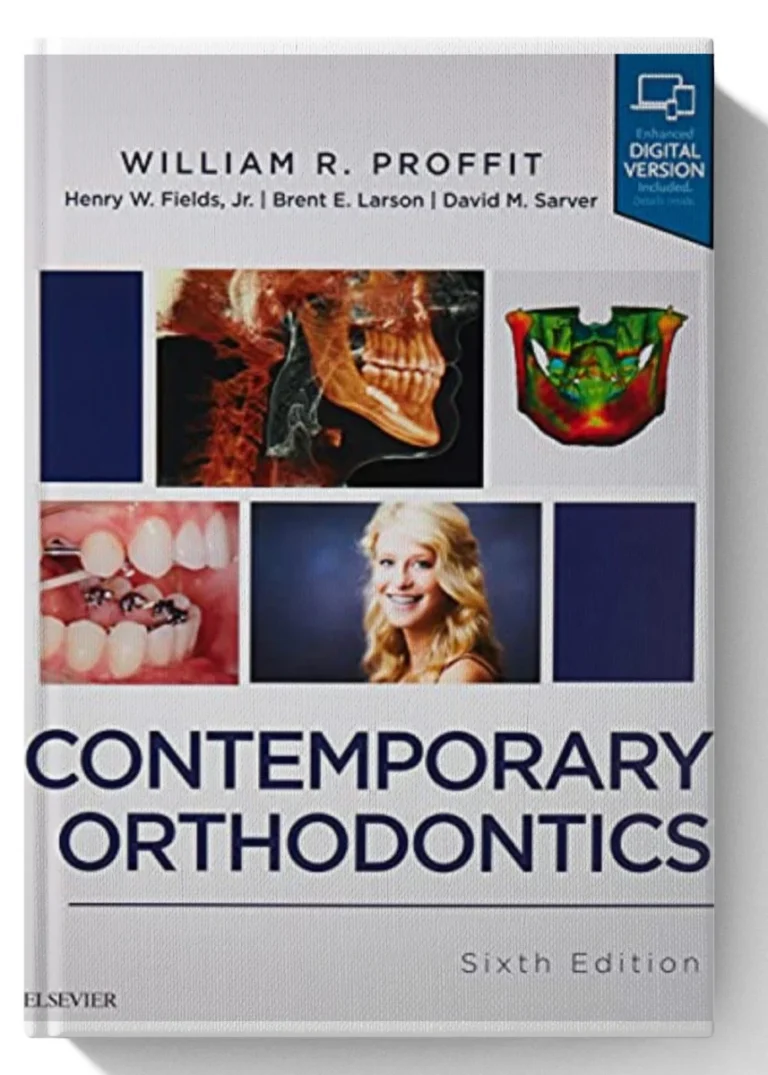
Clear aligner books are most useful when you already understand diagnosis and tooth movement. Contemporary Orthodontics gives that foundation.

Contemporary Orthodontics, 6th Ed.
$59.99 · Instant download
A Reading Plan
- Weeks 1–4: orthodontic biomechanics.
- Weeks 5–8: biomechanics-focused clear aligner books.
- Weeks 9–12: system-specific clear aligner books and case review.
Keep a case log while reading clear aligner books and compare predicted with actual tooth movement.
Frequently Asked Questions
Are clear aligner books enough to start treating patients?
No. They support training, but supervised clinical experience and case selection skills are essential.
Which clear aligner books should I read first?
A biomechanics reference, then a system guide.
Where can I find professional guidance?
The American Association of Orthodontists provides resources. Browse our orthodontics collection.
Continue learning
All Orthodontics resources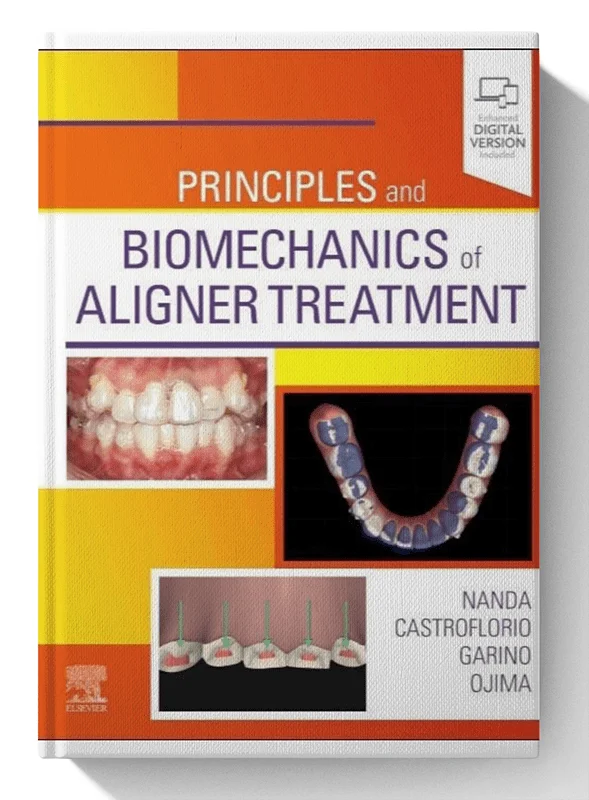
$79.99 $160.79Original price: $160.79

$29.99 $67.99Original price: $67.99
$59.99 $169.99Original price: $169.99
$29.99 $141.00Original price: $141.00