Dental Hygiene Study Plan: Connect Pharmacology and Nutrition
Create a dental hygiene study plan that connects pharmacology, nutrition and case discussions, using a four-week schedule and reusable learning prompts.

On this page (10)
A dental hygiene study plan works best when it connects subjects instead of treating them separately. This 8-week dental hygiene study plan links pharmacology, nutrition and clinical care.
Pharmacology and nutrition are easier to organize when you study them through clearly defined questions rather than two unrelated lists of facts. A dental hygiene study plan can keep each subject’s foundations intact while helping you connect them during educational case discussions.
The four-week template below is a planning example. Adapt it to your syllabus, workload and tutor’s advice. It does not provide medication instructions, dietary treatment or patient-specific recommendations.
Select a reference for each subject
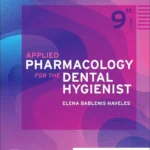
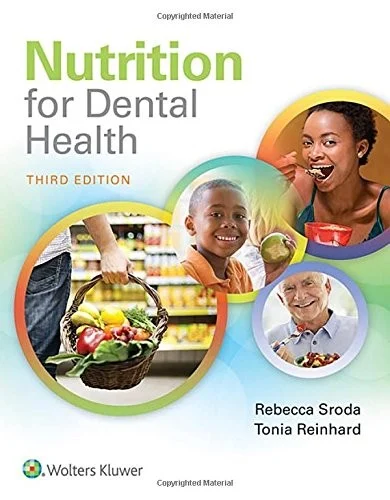
For pharmacology, inspect Applied Pharmacology for the Dental Hygienist, 9th Edition. For nutrition, inspect Nutrition for Dental Health, 3rd Edition. Compare their contents with your module objectives and confirm the required editions.
Give each reference a separate notebook section. The aim is to connect questions across subjects without blending definitions or relying on a vague summary. Keep the exact chapter or page reference beside every note you may need to verify later.
If you are still selecting a broader anchor text, begin with our dental hygiene study library guide.
Week one: build the vocabulary
Choose a limited set of terms from the chapters assigned in your programme. For each term, write a plain-language explanation and an example of the kind of question it helps you understand.
Use a “known, uncertain, ask” system. Place terms you can explain accurately in the first group, terms you recognize but cannot explain in the second, and terms requiring tutor clarification in the third. Review the second and third groups before adding more material.
End the week by explaining the difference between a textbook’s broad educational role and a current professional reference used to verify a specific fact.
Week two: practise structured pharmacology reading
Work through the relevant textbook sections using consistent headings: terminology, purpose of the chapter, concepts explained, information that may change, and questions for a tutor. Do not turn your notes into a personal prescribing guide.
If your programme includes learning to navigate drug information, use an appropriate official source under its guidance. DailyMed’s explanation of its database describes the “in use” labelling submitted by companies and notes that it may differ from the latest FDA-approved labelling. It is a US resource, not a substitute for the references required in every country.
Record the source and date when checking information. Never recommend stopping or changing medication on the basis of a study exercise.
Week three: study nutrition through questions
Select a nutrition topic from your module and write the questions the chapter is intended to answer. Separate definitions, general explanations and case-specific interpretation.
Practise describing the concept without judgemental language. When a teaching scenario mentions eating patterns, list the information provided and what would still need clarification. Avoid turning incomplete information into assumptions about a person’s behaviour or health.
Finish with a short explanation in your own words and ask a tutor or study partner to identify unclear terminology.
Week four: connect the subjects in a teaching case
Use an instructor-approved case. Create separate columns for information supplied, questions raised, reference consulted and issues requiring professional review. Link the pharmacology and nutrition sections only where the case supports the connection.
For example, your educational task may be to identify which parts of the history need clarification. That is different from diagnosing a problem or proposing a treatment change. Keep the exercise within the scope defined by your instructor.
Review your original learning objectives at the end of the week. What can you explain more clearly? Which questions remain? What should the next study block address?
Keep the routine realistic
Use short, planned sessions that fit your schedule. A practical session can include one question, a focused reading section, a closed-book explanation and a correction step. If you miss a session, reduce the next task rather than adding an unrealistic backlog.
For visual terminology, use the dental anatomy study routine. For choosing readable digital references, use the dental eBook checklist.
Does four weeks establish mastery? No. It creates a structured starting cycle that you can repeat and adapt.
Can this plan count as formal CPD? Eligibility depends on the activity and the requirements of your regulator. A personal schedule or a book purchase does not establish credit.
Browse Dental Hygiene resources and choose the references that support your current learning objectives, with a clear plan to revisit and verify what you study.
An 8-Week Dental Hygiene Study Plan
- Weeks 1–2: periodontal assessment and instrumentation, with Wilkins’ Clinical Practice.
- Weeks 3–4: pharmacology of common medicines and their oral effects, with Applied Pharmacology for the Dental Hygienist.
- Weeks 5–6: nutrition, caries risk and counselling, with Nutrition for Dental Health.
- Weeks 7–8: case studies and review.
This dental hygiene study plan needs about four hours per week.

Applied Pharmacology for the Dental Hygienist, 9th Ed.
$29.99 · Instant download
Why Connect Pharmacology and Nutrition?
Patients’ medicines and diets both affect oral health. Many medicines cause dry mouth; diet drives caries risk. A dental hygiene study plan that links the two helps you give practical advice at the chair.

Nutrition for Dental Health, 3rd Ed.
$29.99 · Instant download
Weekly Routine for Your Dental Hygiene Study Plan
- Two reading sessions and one review session per week.
- One case per week from Case Studies in Dental Hygiene.
- A one-page summary at the end of each week of the dental hygiene study plan.
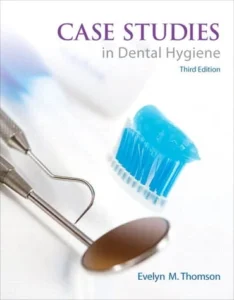
Case Studies in Dental Hygiene, 3rd Ed.
$49.99 · Instant download
Frequently Asked Questions
Can I shorten this dental hygiene study plan?
Yes, by combining weeks, but keep the review sessions.
Is this dental hygiene study plan suitable for board exams?
It covers core topics; add the specific content of your exam blueprint.
Where can I find guidance?
The ADHA publishes resources for students and hygienists.
Continue learning
All Dental Hygiene resources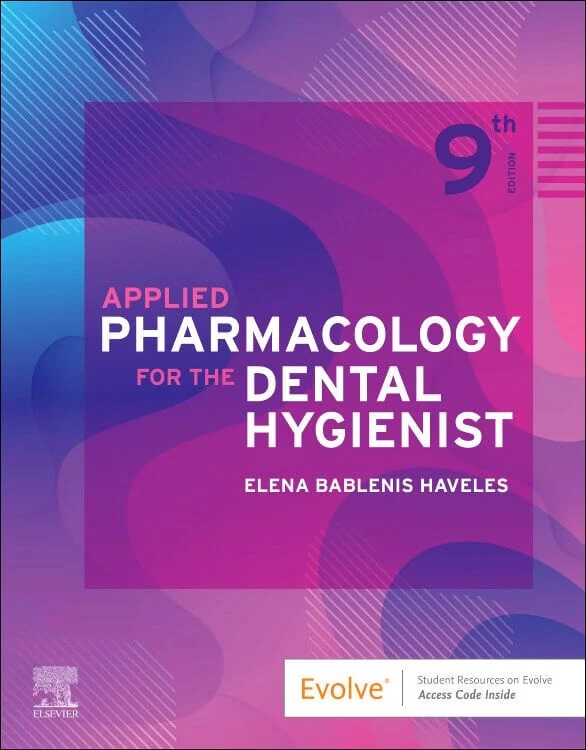
$29.99 $88.99Original price: $88.99
$29.99 $106.95Original price: $106.95
$29.99 $141.00Original price: $141.00

$49.99 $119.99Original price: $119.99