How to Choose Dental eBooks for Your Learning Goals
Choose dental eBooks by subject, level, edition and study goals. Build a focused reading list for dental school, clinical learning or specialist study.

On this page (14)
Choosing dental eBooks is easier when you start from a learning goal rather than a long wish list. This guide gives you a simple method, then practical checklists you can reuse each time you add a title to your library.
A useful dental eBook should solve a specific learning problem. You might need a foundation for a university module, a visual reference for laboratory work, or a focused explanation of a topic you encounter in practice. Buying several books before defining that problem often creates a large library and an unclear study plan.
The simplest starting point is to complete this sentence: “After studying this resource, I want to be able to explain…” Make the answer narrow enough to check. Understanding tooth morphology is a better purchasing goal than becoming better at dentistry.
Match the book to the job
Dental books serve different purposes. A broad textbook gives you an organizing framework. An atlas helps you inspect visual detail. A case collection lets you examine how information is assembled into a discussion. A specialist reference helps you investigate a defined subject in greater depth.
Choose the type before the title:
- Foundations: look for a clear chapter sequence, definitions and a scope that matches your syllabus.
- Visual study: look for readable illustrations, consistent views and useful captions.
- Case discussion: look for the information needed to understand the case, alternative interpretations and follow-up.
- Specialist learning: check prerequisites, references and the precise boundaries of the topic.
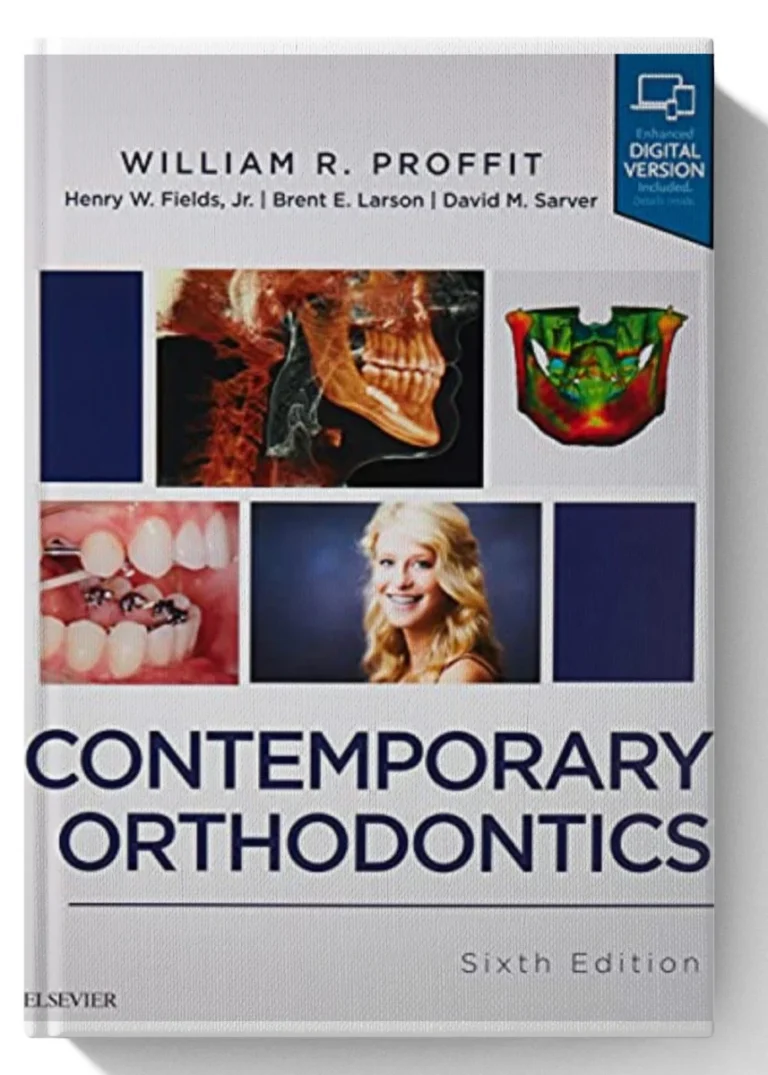
For example, Dental Anatomy and Morphology addresses a different learning need from Contemporary Orthodontics, 6th Edition. The first belongs in a morphology-focused shortlist; the second belongs in an orthodontics reading plan. Neither becomes the right choice simply because it is a familiar title.
Check the edition without assuming newer always means necessary
Record the title, author, edition and publication details before purchasing. Compare them with your course reading list or the publisher’s current listing. An edition number on a store page identifies that edition; it does not establish that it is the latest one.
For an assessed university module, your instructor may expect a particular edition. For professional study, identify whether the subject depends heavily on changing classifications, products or guidance. A book can remain useful as a foundation while requiring current supporting references for specific decisions.
If you already own an earlier edition, compare the contents and stated revisions before buying again. A second book should add something identifiable to your library.
Inspect the digital format
“Digital” does not describe the reading experience fully. Check the file format, supported devices, download arrangements and whether any advertised supplementary material is included. A text-searchable document can be easier to navigate than scanned pages, but do not assume searchability unless it is confirmed.
Ask for a sample when one is available. Inspect figure labels at your normal tablet or laptop size. Consider whether you need annotation, bookmarks, offline reading or accessibility features. Large, detailed illustrations are not useful if the labels are difficult to read on the device you actually use.
Build a small library around one main reference
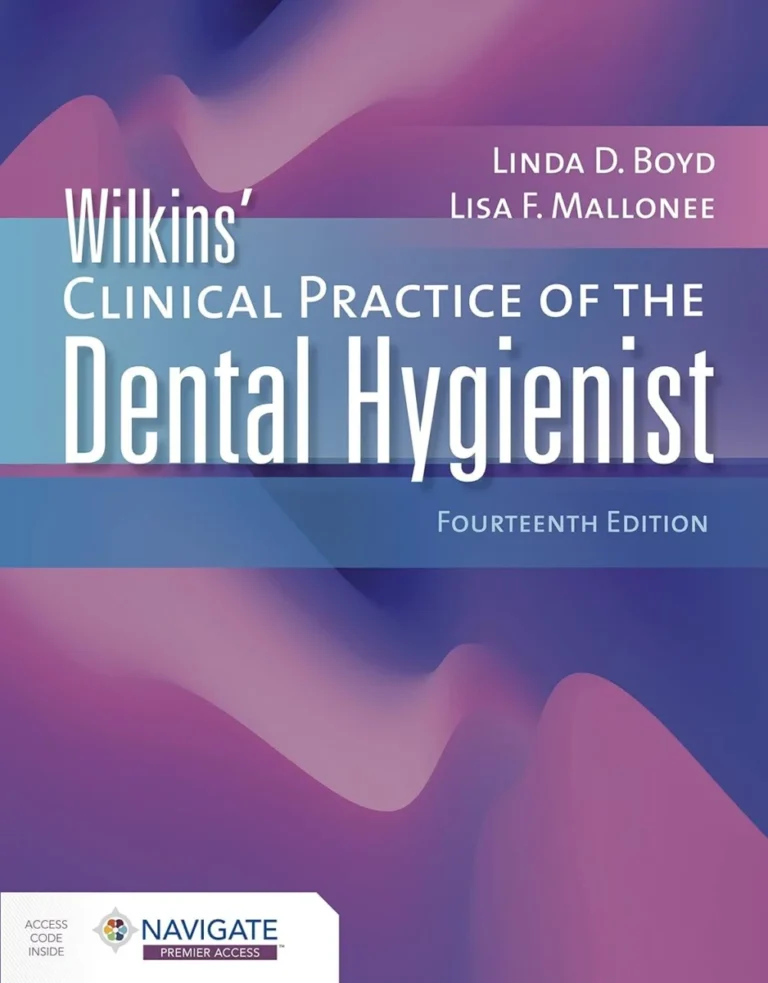
Start with one anchor resource and add a specialist companion only when you can explain the gap it fills. A dental hygiene student might shortlist Wilkins’ Clinical Practice of the Dental Hygienist as a broad reference, then use our dental hygiene study library guide to plan complementary reading. A learner focusing on materials can compare Dental Materials: Clinical Applications with the approach in our dental materials study guide.
Use a simple purchasing note: learning goal, relevant chapters, existing resources, missing information and planned study sessions. If you cannot identify where the new book fits, postpone the purchase.
Turn reading into something you can review
Before a study session, write three questions. Read only the section needed to answer them, then close the book and explain the answers in your own words. Record the page or chapter so that you can check your explanation later. A small set of accurate notes is easier to reuse than extensive highlighting without a clear purpose.
For visual subjects, add a sketch or a labelled model exercise. For complex topics, bring unresolved questions to a tutor or appropriately qualified colleague. Reading supports professional learning; it does not replace supervised clinical training.
Questions before checkout
Should I choose a book or a video course? Choose a book when you need searchable explanations and a reference you can revisit. Consider a course when your learning goal benefits from a structured presentation. Our online dental course checklist helps compare the options.
How many books do I need? There is no universal number. Begin with the resources required for your current learning goal, then add only what addresses an identified gap.
Browse the Dental eBooks collection with your shortlist beside you. Compare scope, edition and format before choosing the resource you will actually study.
Dental eBooks Step by Step: A 7-Point Checklist
When you are choosing dental eBooks, run each candidate through the same short checklist. It takes five minutes and prevents most bad purchases.
- Define the task. Are you preparing an exam, a clinical rotation, a residency interview or a new procedure? Write one sentence. Choosing dental eBooks without that sentence usually ends with three overlapping textbooks.
- Check the edition. Prefer the latest edition for fast-moving fields such as implantology, aligners and dental materials. For anatomy or morphology, an older edition can still serve you well.
- Read the table of contents. Look for the chapters you actually need. If fewer than a third of the chapters match your goal, keep looking.
- Look at the authors. Clinical authors with long teaching experience tend to write books that translate well into practice.
- Check the level. Undergraduate textbooks explain basics; postgraduate monographs assume you already know them.
- Consider the format. A PDF eBook works on every device and is easy to search, annotate and print selected pages.
- Plan where it fits. Decide in advance which week of your plan the book belongs to.

Contemporary Orthodontics, 6th Ed.
$59.99 · Instant download
Matching Dental eBooks to Your Stage of Training
Your stage of training changes what a good choice looks like. Choosing dental eBooks for the first clinical years is mostly about solid foundations and clear illustrations.
Dental students
Start with one reference per core subject: anatomy, materials, periodontology and orthodontics. Use dental anatomy and dental materials titles as the base of your library.
Residents and postgraduate students
Residents need depth. Choosing dental eBooks at this stage means picking the classic reference of your specialty plus one or two focused monographs, for example on orthodontics or periodontology.
General dentists in practice
Practitioners usually buy for a specific procedure they want to add or improve. Choosing dental eBooks here is about clinical protocols, case selection and step-by-step photographs. Pair a book with a video course when the procedure is surgical.
Dental hygienists
Hygienists benefit from one comprehensive clinical practice text and smaller books on pharmacology, nutrition and oral pathology. Browse the dental hygiene collection to compare them.

Wilkins' Clinical Practice of the Dental Hygienist, 14th Ed.
$29.99 · Instant download
How to Compare Two Similar Titles
Two books often look alike on paper. When choosing dental eBooks that seem to overlap, compare them on four points:
- Depth versus breadth: one long chapter on your topic is worth more than five short mentions.
- Illustrations: clinical photographs and step-by-step diagrams make a big difference for procedures.
- Case presentations: books with documented cases help you connect theory and practice.
- References: a recent reference list shows the content has been updated.
If both titles pass, keep the one that matches your next three months of study and leave the other for later.
Building a Small Library That You Actually Use
A useful library is small. The goal of choosing dental eBooks carefully is to read them, not to collect them. A practical structure is:
- One core reference per subject you study or practice every week.
- One or two focused books for the procedure or topic you are working on now.
- One review or case-based book to test yourself before exams or before treating real patients.
Review the list every semester. Remove what you no longer open and add what your next goal requires.

Practical Early Orthodontic Treatment, 1st Ed.
$89.99 · Instant download
Reading Dental eBooks Efficiently
Choosing dental eBooks is only half of the work. These habits help you get value from each title:
- Read the introduction and summary of each chapter first, then the details.
- Use the search function of your PDF reader to jump to a topic during clinical preparation.
- Highlight and add short notes in your own words.
- Set a weekly reading slot of 45 to 60 minutes and protect it.
- After each chapter, write three questions you could be asked about it.
Common Mistakes When Choosing Dental eBooks
Most disappointing purchases come from the same few errors:
- Buying a postgraduate monograph before mastering the basics.
- Choosing by title only, without reading the table of contents.
- Ignoring the edition year in a field that changes quickly.
- Buying several books on the same topic at once.
- Expecting a book to replace supervised clinical training. It cannot; it supports it.
Frequently Asked Questions
Are dental eBooks as useful as printed books?
Yes for most uses. A PDF is searchable, light and available on every device. Many readers combine the eBook with a printed copy of the few chapters they use most.
How many dental eBooks do I need?
Fewer than you think. One reference per core subject and one focused title per current goal is enough for most students and dentists.
Should I always buy the latest edition?
In fast-moving fields, yes. For anatomy and basic sciences, a previous edition can still be a good choice.
Where can I find guidance from professional organisations?
National dental associations and the FDI World Dental Federation publish guidance and educational resources that complement your reading.
Next Step
Now that you have a method for choosing dental eBooks, browse the dental eBooks collection by specialty, compare two titles with the checklist above and add the one that matches your current goal.
Continue learning
All Dental Anatomy & Basic Sciences resources
$69.99 $154.99Original price: $154.99
$59.99 $169.99Original price: $169.99
$29.99 $141.00Original price: $141.00

$29.99 $94.99Original price: $94.99