Difficult Conversations for Dentists: A Plan for the Talks You Avoid
The chat about lateness, the unhappy associate, the pay rise you cannot offer: some talks sit on your list for weeks. This guide gives you a five-step plan and example wording to get them started.

On this page (9)
In short
- Write the purpose of the talk in one sentence before you book it.
- Open with what you have observed, why it matters and an invitation to respond.
- Listen before you explain, because you may not yet have the full picture.
- End with who will do what by when, then follow up.
Difficult conversations for dentists rarely go wrong because of one bad sentence. More often they go wrong because they were put off for six weeks and then happened in a corridor at 5:45 on a Friday. If there is a talk you have been avoiding with a nurse, an associate or a business partner, this plan is for you. It covers what to do before, during and after, with wording you can adapt.
Why difficult conversations for dentists get harder when postponed
Avoiding difficult conversations for dentists feels kind in the short term. You tell yourself the problem might fade, or that this week is too busy, or that the person is having a hard time. Sometimes that is even true.
Meanwhile, the issue keeps costing something. Colleagues quietly pick up the slack and start to wonder why nothing is being said. Your own irritation builds, so that when you do finally speak, a small matter comes out with six weeks of feeling behind it.
Waiting also removes a chance for the other person. Someone who has never been told about a problem cannot do anything about it, and may be very surprised to hear it was there.
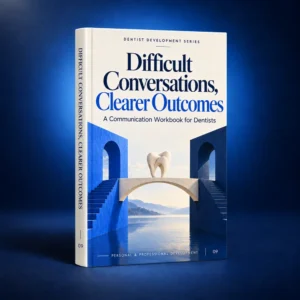
Difficult Conversations, Clearer Outcomes
$19.00 · Instant download
Difficult conversations for dentists start before the meeting
Most of the useful work happens beforehand, and it need not take long. The first two of our five steps are both done alone, with a pen.
Step 1: Write your purpose in one sentence. Finish this line: “By the end of this talk, I would like us to…” Your answer should describe a shared outcome, such as agreeing how morning start times will work. If what you really want is to win or to vent, that is useful to know before you walk in.
Step 2: See it from their side. In a piece on the ADA New Dentist Blog, a dentist who teaches practice management advises thinking about how the other person may feel, rehearsing likely reactions and accepting that you control only your half of the conversation. That last point is a relief. You are responsible for being clear and fair, and you are not responsible for how the other person feels about it.
Then sort out the practical details. Choose a private room, a time when neither of you has to rush off and enough minutes to finish. Avoid springing it on someone at the end of a long day if a friendly heads-up earlier would do.
Step 3: Open with one clear sentence
The first minute of difficult conversations for dentists is where people tend to wobble. They chat about the weekend, circle the subject and leave the other person guessing. A simple three-part opening solves this: what you have observed, why it matters and an invitation to respond.
- Observed: “I’ve noticed you’ve arrived after the huddle on three mornings this week.”
- Why it matters: “It means the team starts without knowing your plan for the day.”
- Invitation: “I’d like to understand what’s going on. Can you tell me about it?”
Stick to things you have seen or heard. “You don’t care about this job” is a conclusion, and the other person will argue with it. “Three mornings this week” is a fact you can both look at.
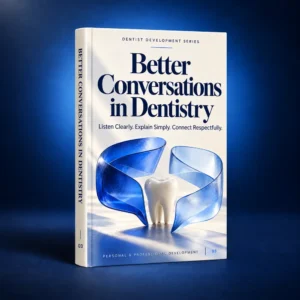
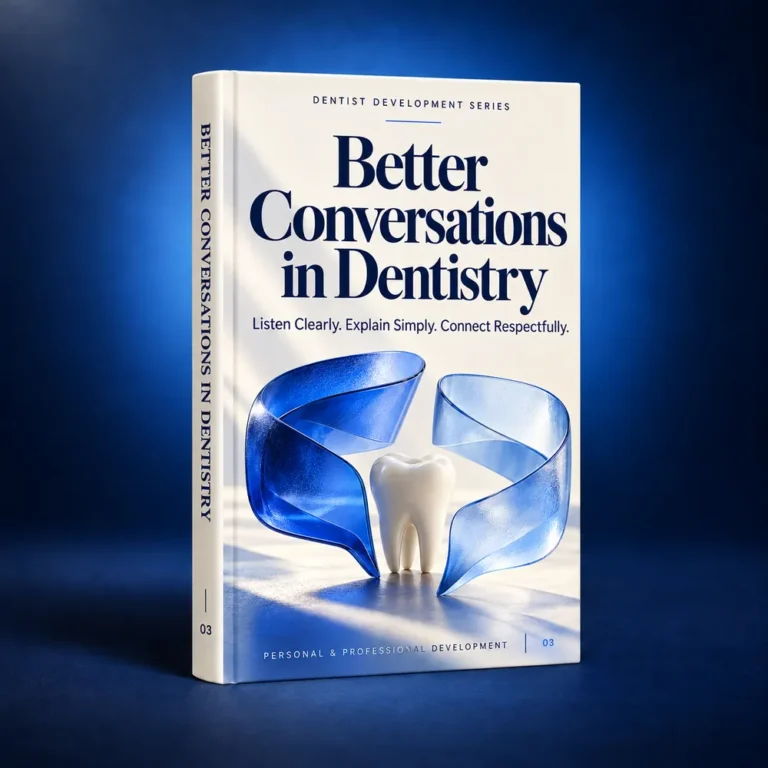
Better Conversations in Dentistry
$19.00 · Instant download
Step 4: Listen before you explain
Once you have opened, stop talking. In difficult conversations for dentists this is harder than it sounds, because silence can feel like losing ground. The ADA piece makes the same point: hearing the other view can clarify the real problem and ease strong feelings.
You may learn something that changes the whole conversation. The late arrivals may turn out to involve a family situation or a misunderstanding about the rota. Reflect back what you heard before you respond: “So the bus change has made mornings hard. Have I got that right?”
Listening does not mean agreeing, and you can still hold your position afterwards. Your clear point will land better once the other person feels heard. Our guide to communication skills has more on this kind of everyday listening.
Step 5: Agree what happens next
Many difficult conversations for dentists end with relief and a vague hope that things will improve. Before you stand up, turn the conversation into something specific. Cover three points:
- Who is going to do what
- By when
- When you will check in together
A short written note afterwards prevents two different memories of the same meeting. Keep it factual and friendly, and invite the other person to correct anything you have missed.
$19.00 · Instant download
Example wording for three common situations
Scripts are only starting points, so change them until they sound like you. These openings show how the same structure bends to fit different difficult conversations for dentists:
- A colleague’s tone with the team. “Twice this week I’ve heard you speak sharply to the front desk. It’s affecting how people feel about coming to you. What’s your view of what happened?”
- An associate unhappy with their schedule. “You mentioned the Saturday rota isn’t working. I’d like to hear what would need to change, and then I’ll be honest about what I can do.”
- A pay request you cannot meet. “I can’t agree to that increase right now, and I want to explain why. I’d also like to talk about what might make it possible later.”
When the conversation goes off course
Even well-planned difficult conversations for dentists can turn. Someone may cry, get angry or go silent, and none of that means you have failed. Slow down and acknowledge what is happening: “I can see this is upsetting. Would you like a few minutes?”
If emotions run high on either side, it is fine to stop and rebook. Say so plainly and name a time, so that the pause does not become another way of avoiding it. Noticing your own reaction helps here, and our article on emotional awareness looks at how.
Some difficult conversations for dentists need more than good communication. If a matter touches employment rights, misconduct or dismissal, take advice from an HR adviser or employment lawyer first. If someone appears to be struggling personally, encourage them to speak to a qualified professional.
After the talk: follow through
The follow-up is where trust gets built or lost. Check in when you said you would, and notice any progress out loud. A simple “I’ve seen the change this week, thank you” takes seconds.
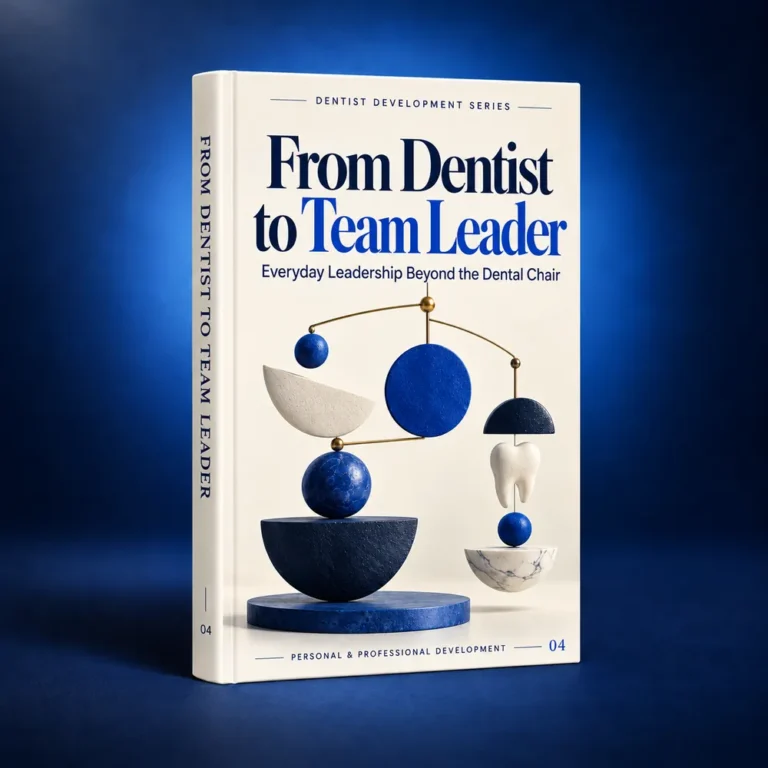
Then spend five minutes on what you learned. Did your opening work? Where did you start defending yourself? Over time these small reviews make difficult conversations for dentists feel less like events to dread and more like a normal part of leading people. If that is a role you are growing into, From Dentist to Team Leader is an ebook on that move.
Your next step: write one sentence today
Think of the talk you have been postponing and write its purpose in one sentence, then draft your opening in three parts. Booking the time is the only step left after that. For more structured preparation, Difficult Conversations, Clearer Outcomes is our communication workbook ebook, written to support difficult conversations for dentists at every stage of a career.
Continue learning
All Communication Skills resources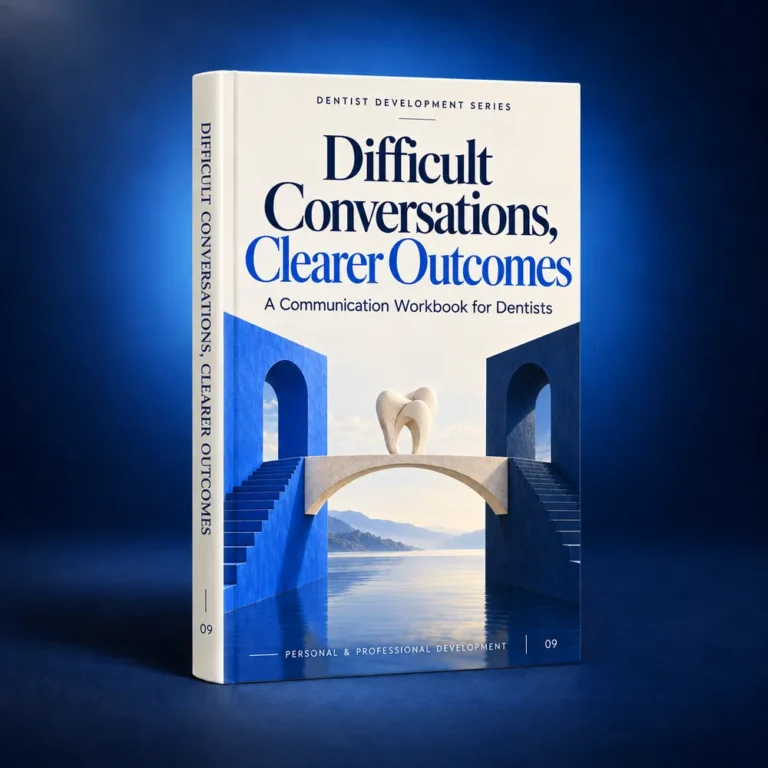
$19.00
$19.00